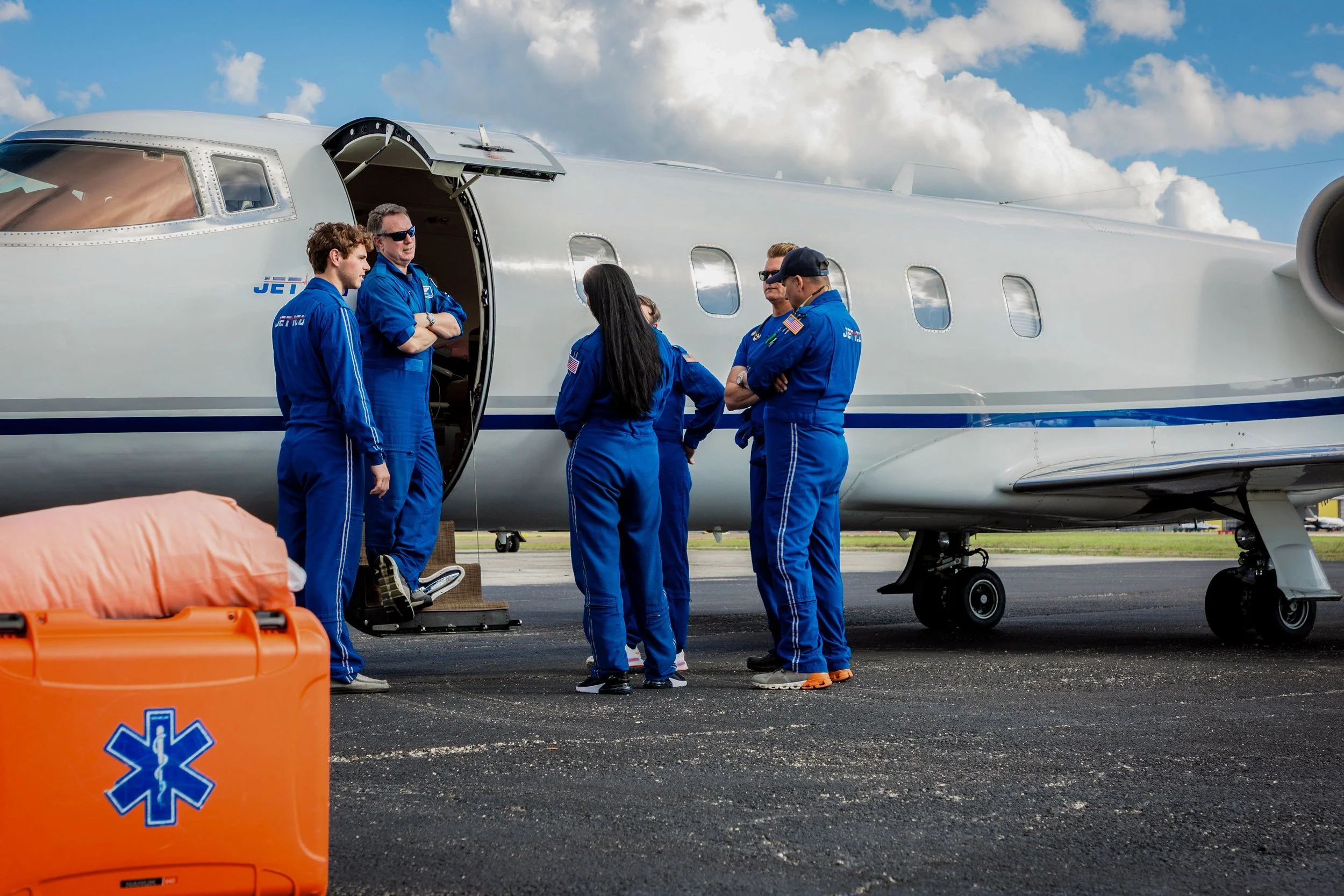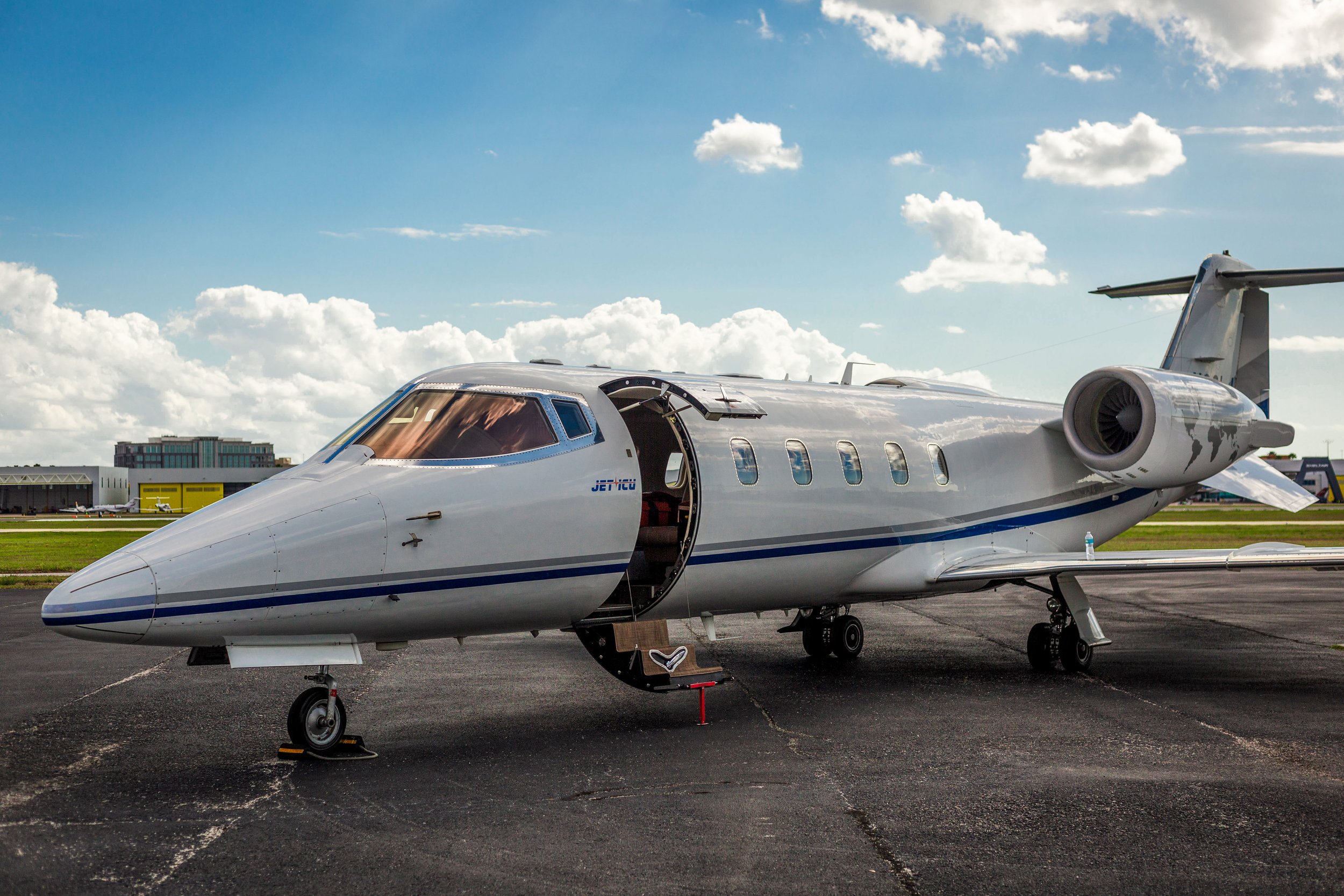
Protect the Lifeline Patients Depend On.
Emergency air medical teams connect patients to critical care. EARA works to protect that access by advancing fair payment, supporting medical crews, and keeping patients out of insurance disputes.
When every second counts, the lifeline must be there.
Sources: NAIC / AAMS estimate (2025) · JAMA Network Open (2025; 2023 IDR data) · Prior access research cited in JAMA Network Open (2026)
The Issues at a Glance

Earlier research estimated that 42% of rural Americans lacked access to a Level I or II trauma center within 60 minutes by ground ambulance.
A Life-or-Death Access Gap

Air ambulance organizations prevailed in 86% of the 2023 payment determinations studied. Decisions must lead to payment to support readiness.
Insurers Underpay for Emergency Care

EARA supports practical fixes that make sure a binding payment decision leads to payment, while keeping patients out of the middle.
Practical Fixes, Patients First
EARA IN THE NATIONAL CONVERSATION
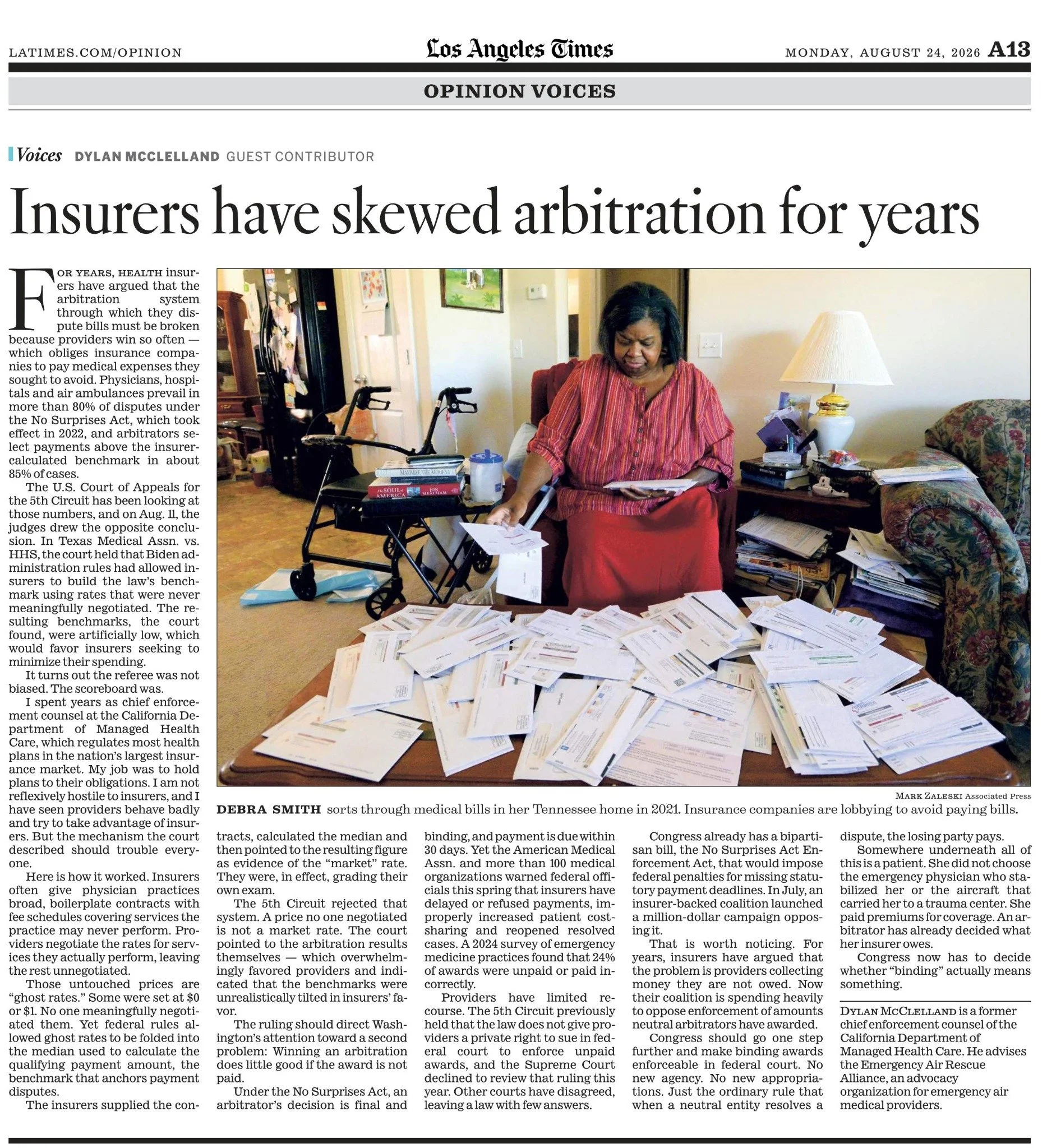
Insurers have skewed arbitration for years
Fair payment is part of protecting the lifeline. EARA advisor M. Dylan McClelland examines insurer-set payment benchmarks and unpaid arbitration awards, and why a binding decision must lead to payment for the providers patients depend on.
Read the Op-Ed →Plus readers of national syndication platforms.
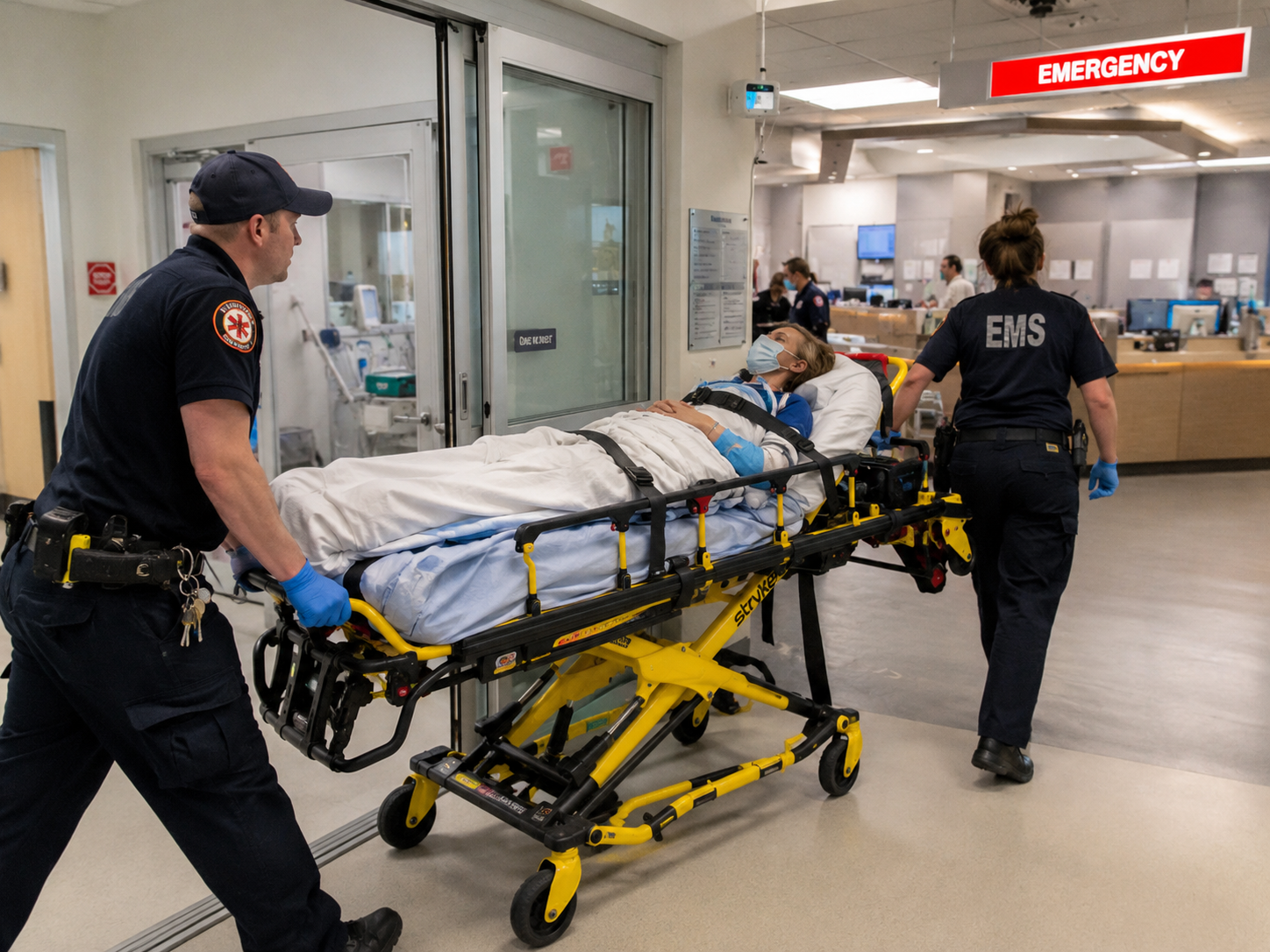
Behind Every Flight Is a Patient.
A medical emergency should be followed by recovery, not a fight over insurance. We want to hear how air medical care helped your family and what happened afterward.
Your experience can help policymakers understand why access matters. We will ask for your permission before sharing your story publicly.